Shower Tile Waterproofing in Longmont, CO
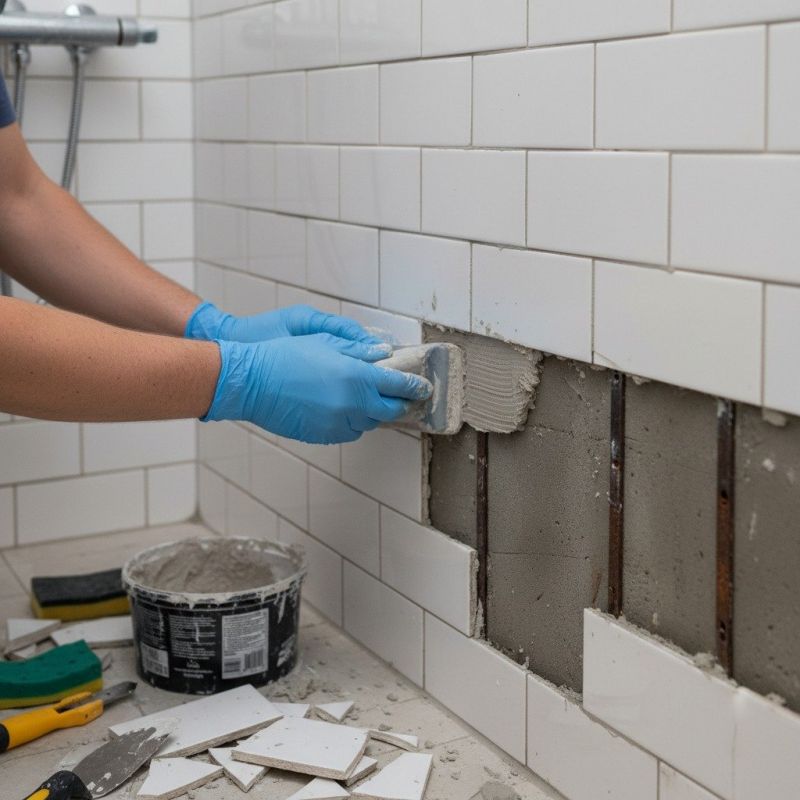
Shower tile waterproofing services involve applying specialized barriers and sealants to prevent water from penetrating behind bathroom tiles and into the underlying structures. This service is essential for protecting shower enclosures, bathtub surrounds, and wet areas within bathrooms. Property owners typically request waterproofing to prevent water damage, mold growth, and structural issues caused by leaks. Projects can range from new bathroom installations to renovations of existing showers, ensuring that the tiled surfaces remain durable and resistant to moisture over time.
Before requesting shower tile waterproofing, homeowners often want to understand the scope of the work involved and the materials used. It’s important to know whether the waterproofing will be applied during initial construction or as part of repairs, and what types of sealants or membranes are recommended for specific tile and grout combinations. Property owners should also inquire about the longevity of the waterproofing, maintenance requirements, and how the service integrates with other bathroom remodeling or repair efforts to ensure long-lasting protection against water intrusion.
Many property owners in Longmont, CO look into Shower Tile Waterproofing for repairs, replacements, upgrades, and appearance-related improvements.
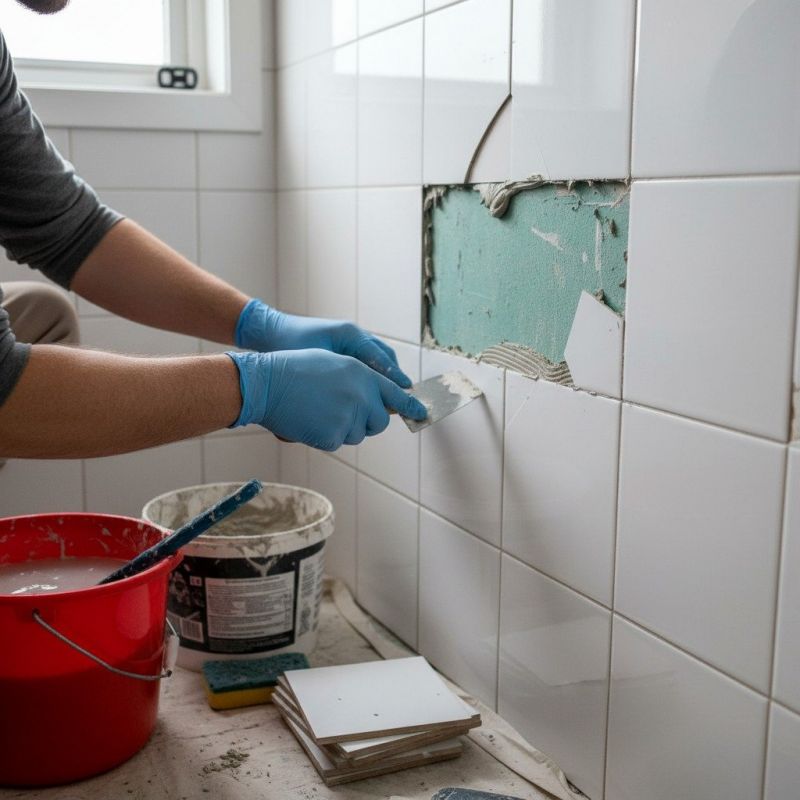
Ensuring Shower Waterproofing
Proper waterproofing helps prevent water damage and mold growth in bathroom showers.
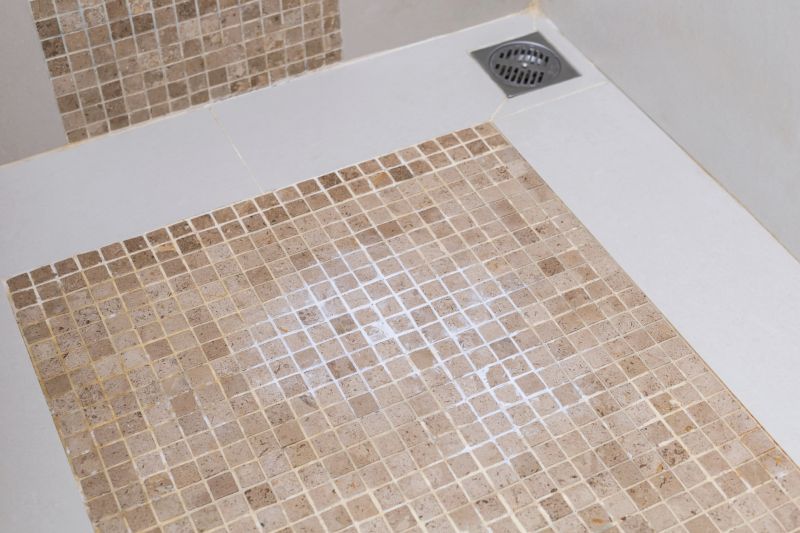
Protecting Your Shower Area
Effective waterproofing extends the lifespan of shower tiles and maintains a clean, dry space.
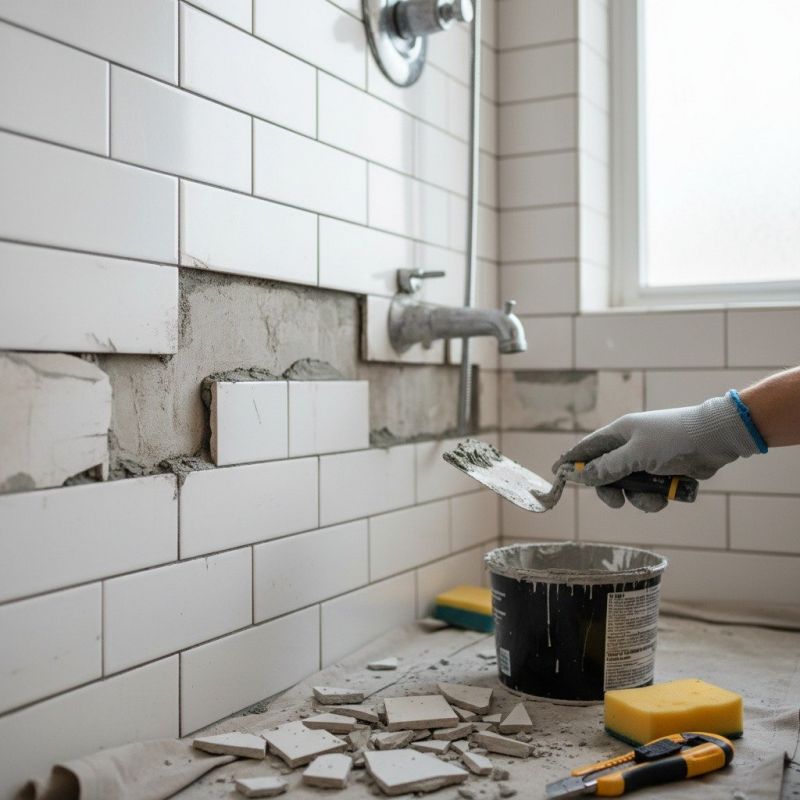
Common Waterproofing Solutions
Various methods like membrane application and sealant treatments are used to safeguard shower enclosures in longmont, co.
Shower Tile Waterproofing in Longmont, CO
Shower tile waterproofing services involve applying specialized barriers and sealants to prevent water from penetrating behind bathroom tiles and into the underlying structures. This service is essential for protecting shower enclosures, bathtub surrounds, and wet areas within bathrooms. Property owners typically request waterproofing to prevent water damage, mold growth, and structural issues caused by leaks. Projects can range from new bathroom installations to renovations of existing showers, ensuring that the tiled surfaces remain durable and resistant to moisture over time.
Before requesting shower tile waterproofing, homeowners often want to understand the scope of the work involved and the materials used. It’s important to know whether the waterproofing will be applied during initial construction or as part of repairs, and what types of sealants or membranes are recommended for specific tile and grout combinations. Property owners should also inquire about the longevity of the waterproofing, maintenance requirements, and how the service integrates with other bathroom remodeling or repair efforts to ensure long-lasting protection against water intrusion.
Many property owners in Longmont, CO look into Shower Tile Waterproofing for repairs, replacements, upgrades, and appearance-related improvements.
Common Shower Tile Waterproofing Jobs
Shower tile waterproofing helps prevent water damage behind bathroom tiles.
Wet area waterproofing ensures long-lasting protection for shower stalls and surrounds.
Bathroom renovation waterproofing safeguards new tile installations against moisture issues.
Shower pan waterproofing provides a reliable barrier to stop leaks from the shower base.
Tile sealing and waterproofing preserves tile grout and prevents mold growth.
Re-grouting and waterproofing enhances existing shower areas by sealing vulnerable joints.
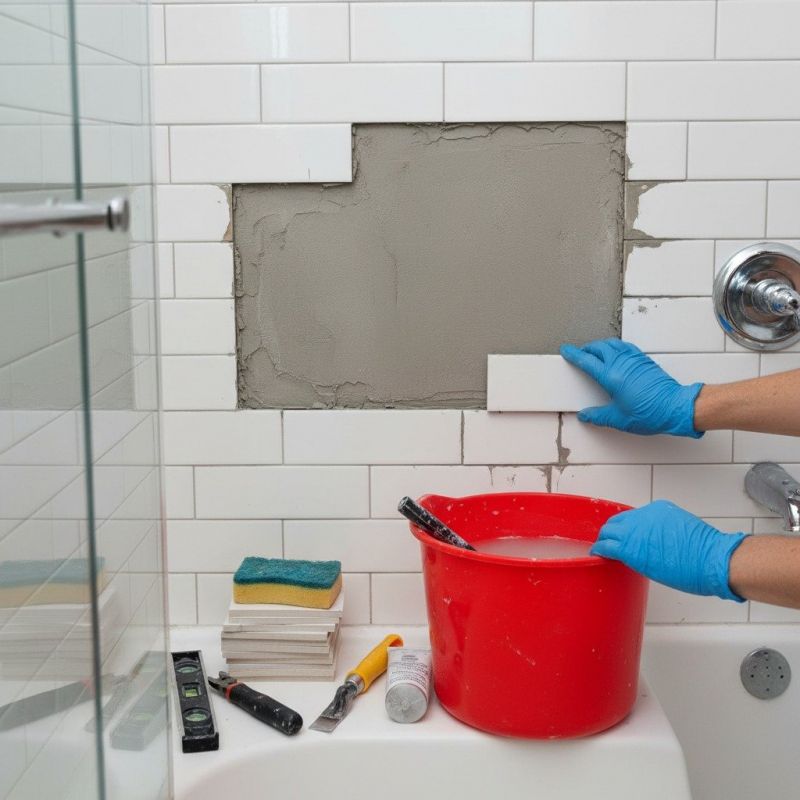
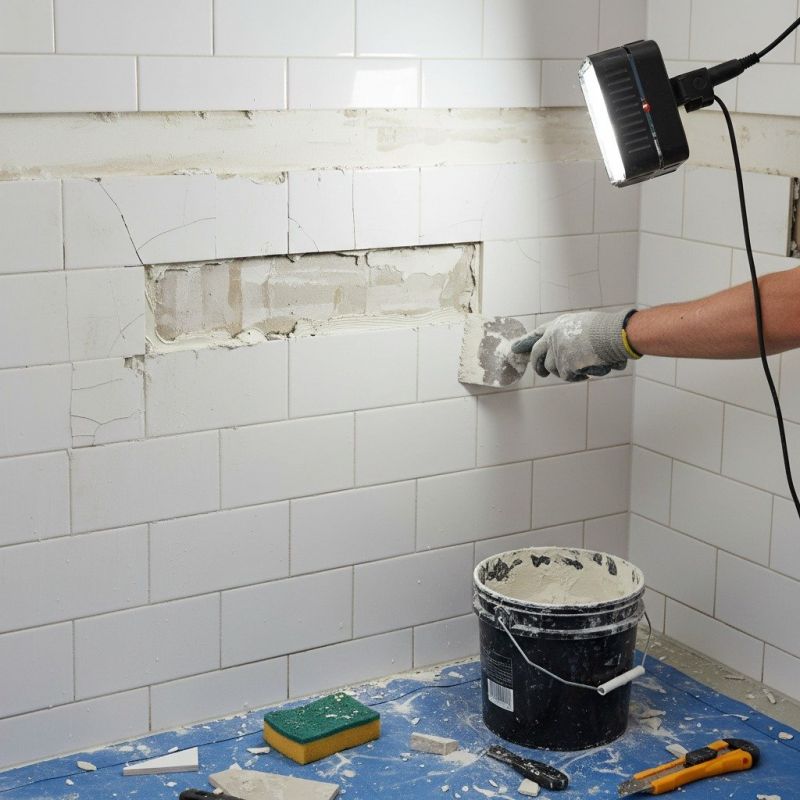
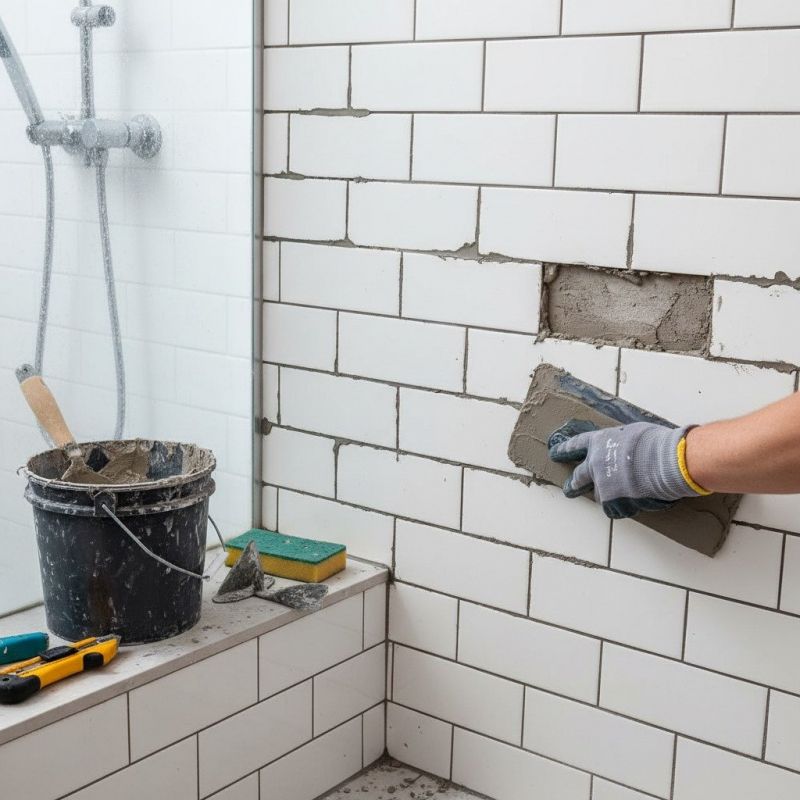
Shower Tile Waterproofing Questions
What is shower tile waterproofing? Shower tile waterproofing involves applying a barrier to prevent water from penetrating behind tiles, protecting walls and structures from moisture damage.
Why is waterproofing important for showers? Waterproofing helps prevent mold, mildew, and water damage, extending the lifespan of shower areas and maintaining a healthy environment.
What types of waterproofing methods are used? Common methods include liquid membranes, membrane sheets, and waterproof backer boards designed for wet areas like showers.
When should waterproofing be done during a shower renovation? Waterproofing is typically installed before tile installation to ensure a moisture-resistant barrier is in place from the start.
Request Shower Tile Waterproofing in Longmont, CO
Use the quote form on this page to share the basics of your project and request more information for the type of work you need.